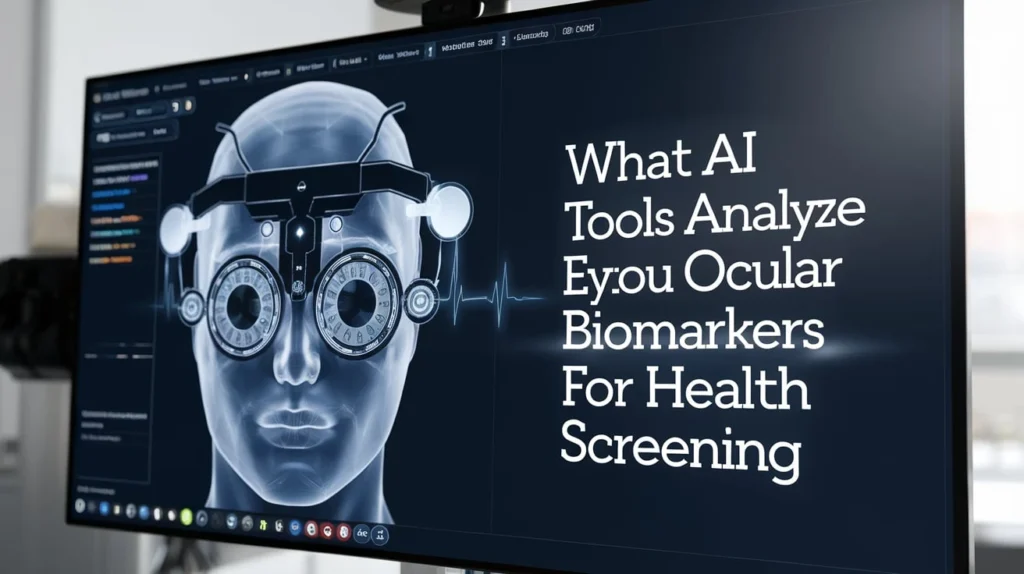
There’s something beautiful about the way two people look into each other’s eyes on every anniversary—full of care, connection, and the gentle reminder that our eyes often reveal more than our words ever can. In health science, that same truth inspires new technologies: our eyes hold clues about our overall well-being.
Today, researchers and clinicians use advanced AI tools to analyze ocular biomarkers—subtle characteristics in the eye that can indicate underlying health conditions. And just like a loving partnership, this blend of human expertise and smart technology works best when both sides support each other.
Let’s explore how these AI systems work, why they matter, and which tools are leading the way in modern health screening.
Understanding Ocular Biomarkers and AI
Ocular biomarkers are measurable features inside or around the eye—like retinal images, blood vessel patterns, optic nerve shape, tear composition, and eye-movement behavior. These markers can help detect early signs of conditions such as diabetes, heart disease, neurological disorders, and even mental health changes.
AI tools help analyze these patterns quickly, accurately, and consistently. The connection between eye health and systemic health becomes easier to monitor, making early detection more accessible.
Why AI Matters in Eye-Based Health Screening
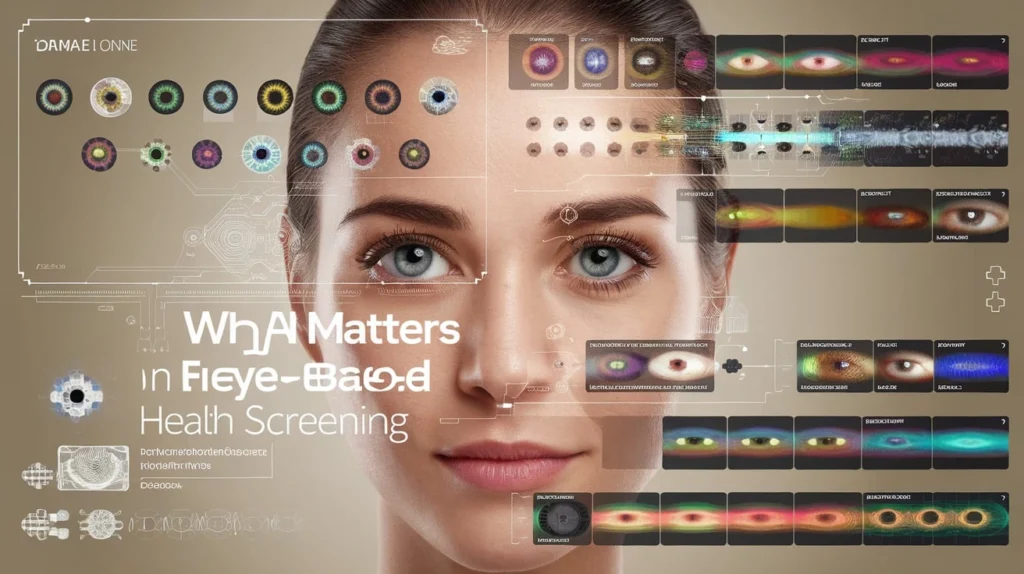
AI improves health screening in three big ways:
1. Speed
AI analyzes complex eye data in seconds, helping clinicians work more efficiently.
2. Accuracy
Machine-learning models detect subtle patterns that may be invisible to the human eye.
3. Accessibility
AI-powered screening tools make eye-based health assessments available even in remote or underserved communities.
Together, these strengths bring care, prevention, and early detection closer to everyone.
Leading AI Tools for Ocular Biomarker Analysis
Here are some of the most well-known and widely discussed AI tools used in ocular health and systemic health screening. (Note: This is informational, not medical advice. Availability may vary by region.)
1. Google DeepMind’s AI for Retinal Imaging
DeepMind developed one of the most advanced AI models for analyzing retinal scans. It assists in identifying signs of diabetic retinopathy, age-related macular degeneration, and glaucoma. Its ability to learn from huge image datasets helps it detect patterns with precision.
2. IDx-DR
IDx-DR is the first FDA-authorized AI tool for autonomous diabetic retinopathy detection. It can analyze retinal photographs and give real-time assessment results without requiring a specialist to interpret them.
3. Eyenuk EyeArt
EyeArt is another FDA-cleared AI platform used for diabetes-related eye screening. Clinicians use it because it’s fast, non-invasive, and works with many types of retinal cameras.
4. Optovera AI
This system focuses on analyzing retinal microvascular changes to help detect cardiovascular risks. Its algorithms evaluate blood vessel density and branching patterns.
5. RetinAI Discovery
RetinAI uses AI to assist in eye disease screening, clinical research, and treatment monitoring. It helps detect abnormalities in the retina related to age-related macular degeneration, glaucoma, and other visual disorders.
6. Altris AI
This AI diagnostic software helps optometrists analyze OCT (Optical Coherence Tomography) scans. It identifies dozens of retinal pathologies and structural changes.
7. Google’s Cardiovascular Risk Detection Through Retinal Scans
Google researchers created an AI model able to predict cardiovascular risk factors—such as age, blood pressure, and smoking history—directly from retinal images.
8. Visulytix Pegasus & Orion
Pegasus screens for diabetic retinopathy and macular degeneration, while Orion analyzes OCT images to evaluate structural eye changes. Both help clinics speed up diagnostics.
9. Notal Vision Home OCT + AI
This home-based system uses AI to track retinal conditions, allowing remote monitoring for patients with macular diseases.
10. iPredict by AEYE Health
iPredict uses AI to analyze retinal images and detect diabetic retinopathy in primary-care settings, making screening more accessible.
11. Arctic Vision AI Pipelines
Some companies use AI pipelines to detect indicators linked to neurological disorders by analyzing retinal and optic nerve patterns.
12. Smart Eye-Tracking AI Tools
AI-based eye-tracking systems can help identify neurological changes, cognitive decline, or early signs of disorders by analyzing gaze patterns and pupil behavior.
13. Tear-Film Analysis AI
Some AI tools study tear-film stability and composition to detect dry-eye disease and inflammatory responses that may indicate other systemic issues.
14. AI for Glaucoma Prediction
Several research-based models use the optic nerve’s shape and thickness to estimate glaucoma risk earlier than traditional screening methods.
15. Multi-Disease Prediction Models
New research AI tools combine multiple ocular biomarkers—retinal images, OCT scans, tear analysis, microvascular mapping—to screen simultaneously for metabolic, neurological, and cardiovascular conditions.
How AI Enhances the Patient Experience
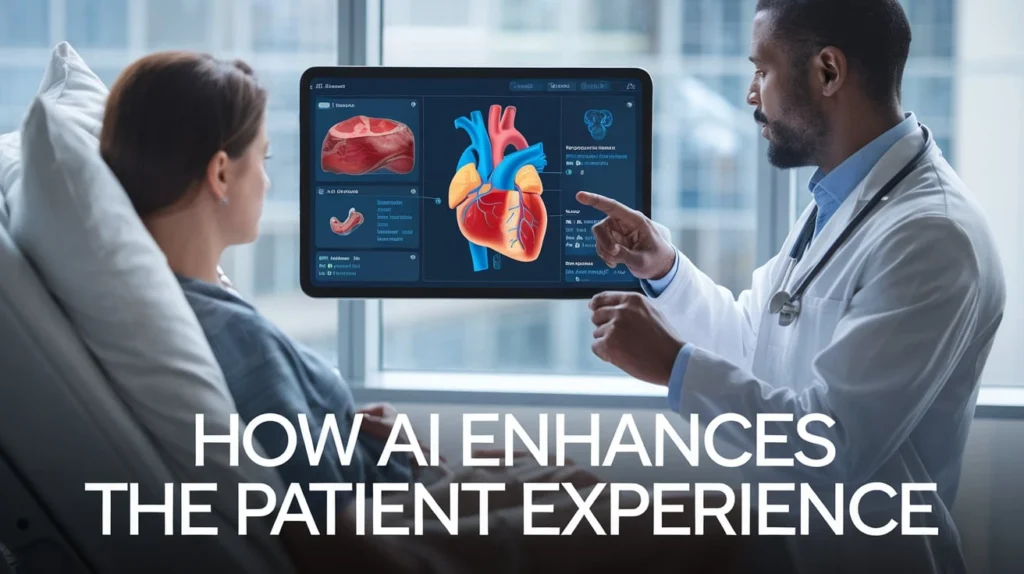
AI in ocular screening is not meant to replace doctors. Instead, it works like a caring partner—supporting the expert, easing the workload, and creating a smoother, more connected experience for the patient. It helps:
- Reduce wait times
- Improve comfort
- Personalize care
- Strengthen early-detection strategies
When technology and human compassion come together, patients receive more thoughtful care.
Ethical Considerations and Safety
The use of AI in health screening brings hope—but it also requires responsibility. Developers, clinicians, and organizations must focus on:
- Safe handling of user data
- Transparency in AI decision-making
- Fairness across diverse populations
- Proper testing and validation
The goal isn’t just innovation—it’s trust.
The Future of AI and Ocular Biomarkers
As AI grows, we may see new ways to detect:
- Alzheimer’s disease
- Parkinson’s disease
- Stroke risk
- Mental health changes
- Autoimmune conditions
—all through the window of the eye. The future promises earlier detection, more personalized treatments, and greater access to preventive care.
A Loving Closing Thought
Just like two people who celebrate life’s journeys hand-in-hand, AI and human medicine work best together—one offering precision, the other offering wisdom and heart. When we care for our eyes, we care for the stories they help us live, the moments they let us see, and the people we love most.
With every blink, there’s a chance to notice something meaningful. With every advancement, there’s hope for healthier years ahead—shared with the people who light up our world.
FAQ
1. What are ocular biomarkers?
They are measurable traits in or around the eye that can reveal signs of systemic or eye-related health conditions.
2. Can AI detect diseases through retinal images?
Yes, several AI tools analyze retinal scans to detect early signs of diabetes, heart disease, and eye disorders.
3. Are AI eye-health tools safe?
Most well-known tools undergo strict testing and regulatory review, but availability and approval vary by region.
4. Do AI tools replace eye doctors?
No. They assist clinicians by offering faster analysis and early detection support, but medical professionals still make the final decisions.
5. Who benefits most from AI-powered eye screening?
People in remote areas, clinics with high patient volume, and individuals needing regular monitoring benefit the most.
If you’d like, I can also create