Introduction (150–200 words)
You’re scrolling through your phone late at night. A message pops up from a friend: “That movie was wild, yfm?” You pause for a second. You recognize every word except those three letters at the end—yfm. It feels familiar, like something you’ve seen before, but the exact meaning slips just out of reach. Do you reply? Do you ask? Or do you just guess from context?
This small moment reflects something much bigger about how we communicate today. Texting and social media have created a world full of abbreviations, shortcuts, and slang that evolve faster than dictionaries can keep up. One of those widely used expressions is YFM, which stands for “You Feel Me?”
But its meaning goes far beyond a simple translation. It carries emotion, emphasis, and a subtle check for connection between people. Understanding YFM is not just about decoding slang—it’s about understanding how modern conversations build trust, agreement, and shared perspective in a fast-paced digital world. In this article, we’ll explore YFM in depth, from its meaning and usage to its emotional and cultural significance in everyday communication.
1. What Does YFM Mean in Text?
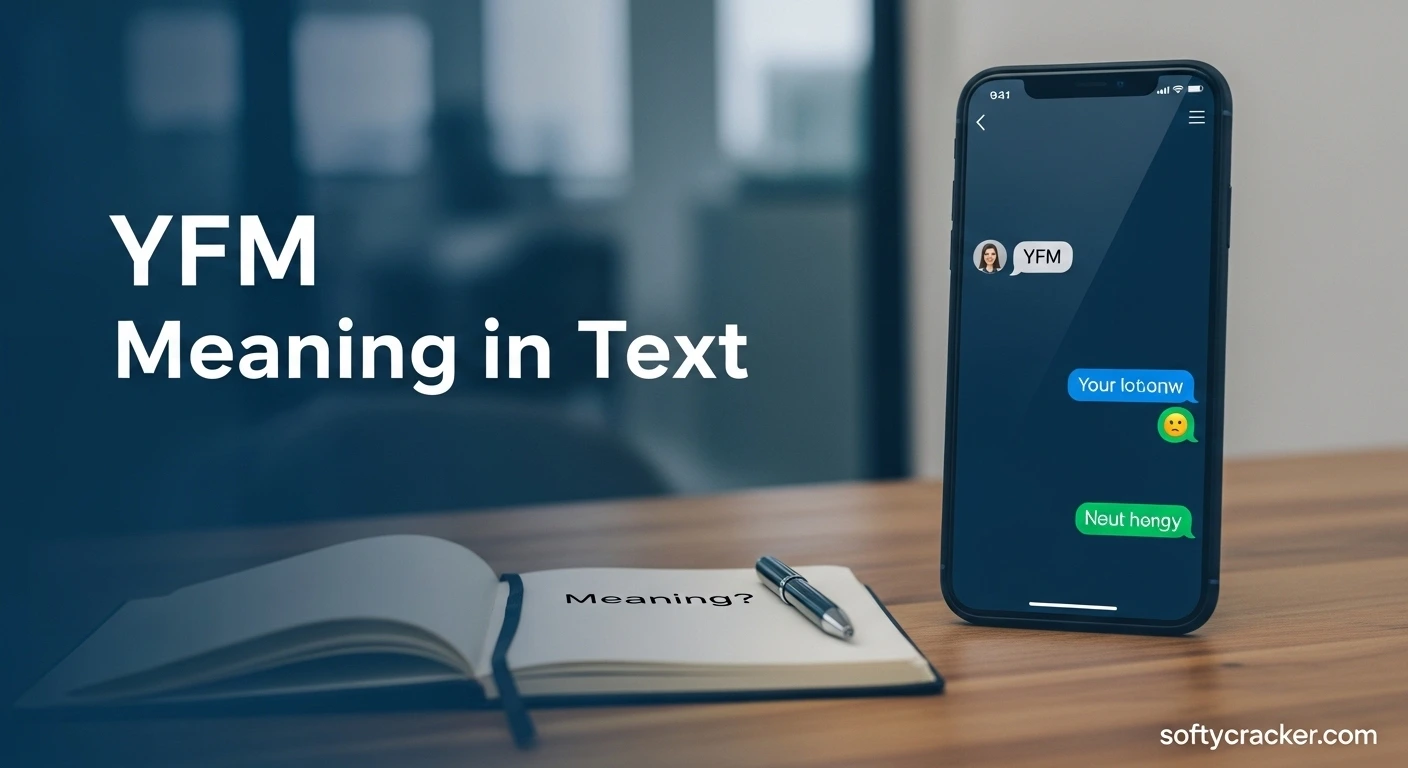
At its core, YFM stands for “You Feel Me?” It is commonly used in texting, social media posts, and casual conversations to check whether someone understands or relates to what you are saying.
However, it is not just a literal question about comprehension. Instead, it is more about emotional or experiential agreement. When someone says “yfm,” they are often asking:
- Do you understand my point?
- Do you relate to what I’m saying?
- Are we on the same page emotionally or mentally?
For example:
“That exam was so hard, yfm?”
In this case, the speaker isn’t only asking if you understood the difficulty of the exam logically—they’re asking if you felt the same struggle.
YFM is widely used in informal communication, especially among younger audiences and online communities. It acts as a conversational bridge, making interactions feel more personal and connected. Instead of sounding like a formal question, it adds a relaxed, conversational tone that mimics spoken language.
2. The Origin and Evolution of YFM
Like many internet slang terms, YFM didn’t originate from a single documented source. Instead, it evolved naturally from spoken English, particularly within urban and informal speech patterns in the United States.
The phrase “you feel me?” has been part of conversational English for decades. It became especially common in hip-hop culture, street dialogue, and youth communication, where it was used to confirm shared understanding or emotional resonance.
With the rise of texting, social media platforms like Twitter, Instagram, and Snapchat shortened the phrase into YFM for speed and convenience.
Over time, its usage expanded globally. Today, even people who are not native English speakers recognize it due to exposure through memes, music, and online conversations.
This evolution reflects a broader linguistic trend: spoken expressions becoming digital shorthand. Just like “LOL” or “BRB,” YFM is part of a living language that adapts to communication needs in real time.
3. The Deeper Meaning Behind “You Feel Me?”
While YFM translates directly to “You Feel Me?”, its deeper meaning is more nuanced. It blends three core communication elements:
Emotional alignment
YFM often seeks emotional validation. The speaker wants to know if the listener feels the same emotion.
Cognitive agreement
It also checks whether the listener understands the idea being expressed.
Social bonding
At a deeper level, it reinforces connection and shared experience.
For example:
“Life has been exhausting lately, yfm?”
This is not just a question—it’s an invitation for empathy.
YFM essentially asks for acknowledgment on multiple levels. It’s less about receiving an answer and more about confirming a shared mental space. This is why it feels more personal than standard phrases like “do you understand?”
In everyday communication, YFM acts as a soft emotional checkpoint between two people.
4. How YFM Is Used in Everyday Texting
YFM is mostly used in casual digital communication. Its placement in sentences can vary depending on tone and intent.
Common placements:
- At the end of a statement: “That situation was crazy, yfm?”
- Mid-sentence for emphasis: “It’s just stressful yfm when everything piles up.”
- As a standalone question: “Yfm?”
In texting, it helps reduce emotional distance. Instead of writing long explanations or asking formal questions, users rely on YFM to quickly connect with the other person.
It is especially common in:
- Friend group chats
- Social media captions
- Casual DMs
- Gaming conversations
YFM also helps maintain conversational flow, making messages feel more natural and spoken rather than written.
5. Emotional Tone and Expression in YFM
One of the most interesting aspects of YFM is its emotional flexibility. Depending on context, it can express:
- Frustration: “This day has been a mess, yfm?”
- Excitement: “That concert was insane, yfm!”
- Empathy: “Going through tough times, yfm?”
Why it feels emotional
Unlike formal language, YFM implies shared experience. It assumes the listener is emotionally engaged.
This makes it powerful in casual communication because it creates an instant sense of familiarity.
Even though it is just three letters, it carries emotional weight that can soften statements or intensify feelings depending on usage.
6. Real-Life Conversation Examples
To fully understand YFM, it helps to see it in action.
Example 1: Friendship context
Person A: “I’ve been so busy I barely sleep.” Person B: “Same here, yfm.”
Example 2: Opinion sharing
Person A: “That ending didn’t make sense.” Person B: “Exactly, yfm?”
Example 3: Emotional venting
Person A: “Everything feels overwhelming lately.” Person B: “I get it, yfm.”
In each case, YFM functions as a bridge between two people’s experiences, reinforcing understanding and emotional similarity.
7. YFM vs Similar Expressions
YFM is often compared to other conversational phrases, but each carries slightly different meaning.
“You know?”
- Focuses more on confirmation.
- Less emotional than YFM.
“Right?”
- Seeks agreement, often factual.
“You feel me?”
- Combines emotional and cognitive alignment.
Unlike the others, YFM emphasizes shared feeling rather than just agreement. It is more intimate and expressive.
This makes it particularly popular in informal and emotionally expressive conversations.
8. Common Misunderstandings About YFM
Despite its popularity, YFM is sometimes misunderstood.
Misconception 1: It always requires a response
Not necessarily. Sometimes it is rhetorical, meaning the speaker doesn’t expect an answer.
Misconception 2: It is always slang-heavy or unprofessional
True in formal settings, but in casual communication it is completely normal.
Misconception 3: It only means “do you understand?”
It goes beyond understanding—it includes emotional resonance.
These misunderstandings often come from taking the phrase too literally instead of considering its conversational context.
9. Cultural Influence of YFM
YFM has strong roots in modern pop culture, especially music and online communities. It is often used in hip-hop-inspired dialogue, where expressive language plays a key role in storytelling and emotional expression.
Social media has also amplified its reach. Memes, captions, and short-form videos frequently use YFM to create relatable content.
Its popularity reflects a larger cultural shift:
- Communication is becoming faster
- Emotional expression is becoming more direct
- Language is becoming more flexible and adaptive
YFM fits perfectly into this environment because it is short, expressive, and emotionally loaded.
10. When You Should Use YFM (and When Not To)
Appropriate contexts:
- Talking with friends
- Informal texting
- Social media captions
- Casual online discussions
When to avoid it:
- Professional emails
- Academic writing
- Formal conversations
- Customer communication
Using YFM in the wrong setting can make communication seem unprofessional or overly casual. Understanding context is key to using it effectively.
11. Why People Use YFM in Digital Communication
YFM serves several psychological and social purposes:
1. Speed of communication
It saves time compared to full sentences.
2. Emotional validation
It seeks shared understanding and empathy.
3. Social bonding
It creates a sense of closeness between individuals.
4. Identity expression
Using slang like YFM signals belonging to a certain communication style or digital culture.
In many ways, YFM is not just a phrase—it is a tool for emotional efficiency in modern conversations.
12. Real-Life Situations Where YFM Matters
Imagine a stressful workday where someone says:
“Everything is piling up, yfm?”
Even if you don’t respond verbally, the phrase itself invites empathy.
Or consider a group of friends discussing a shared experience:
“That trip was unforgettable, yfm?”
Here, YFM strengthens shared memory and emotional connection.
These small moments show how language evolves to support human connection in digital spaces.
Conclusion
YFM, or “You Feel Me?”, is more than just a piece of internet slang. It represents a deeper shift in how people communicate in the digital age—where speed, emotion, and connection matter just as much as literal meaning. At its core, YFM is a bridge between understanding and feeling, helping people confirm not just what they think, but what they experience together.
Whether used in casual chats, emotional conversations, or social media posts, it adds a layer of relatability that makes communication feel more human. Understanding YFM helps you better interpret tone, emotion, and intent in modern digital conversations. In a world where messages are often short and fast, YFM reminds us that connection still matters most—yfm?
FAQs
What does YFM mean in text messages?
YFM stands for “You Feel Me?” and is used to ask if someone understands or relates to what you are saying.
Is YFM slang or formal English?
YFM is informal slang commonly used in texting and casual conversations.
Where is YFM most commonly used?
It is mostly used in social media, texting, and online chats.
Does YFM always need a response?
Not always. Sometimes it is rhetorical and used for emphasis.
Is YFM rude or offensive?
No, it is generally not rude. It depends on tone and context.
What is the difference between YFM and “you understand?”
YFM focuses more on emotional connection, while “you understand” is more factual.
Can YFM be used in professional communication?
No, it is best avoided in formal or professional settings.
Why do people use YFM instead of full sentences?
It saves time and makes conversations feel more natural and expressive.