
Many beginners search for how to ai tools to improve work speed and daily decisions. Interest grows each year as digital systems enter more tasks. People now expect fast answers, clean data, and steady output. AI tools meet many of those goals with proper use.
AI use no longer belongs only to large firms. Students, creators, analysts, and shop owners now rely on automated support. Therefore, clear guidance matters. This guide explains each step in direct language. You will learn selection, setup, daily use, and long term value.
What AI Tools Mean in Practical Terms
AI tools refer to software systems designed for task automation, pattern detection, and data driven output. These systems rely on trained models. Each model learns from large data sets. Output then reflects learned patterns.
Therefore, AI tools differ from standard software in one key way. Standard software follows fixed rules. AI software adapts based on data. This difference shapes results across writing, design, sales, health, and research.
Key traits of most AI tools include:
- Data driven learning
- Pattern recognition
- Task automation
- Predictive output
- Continuous improvement
These traits explain wide adoption across industries.
Main Categories of AI Tools
AI tools fall into several functional groups. Each group serves a different workflow.
Text and Content Tools
These tools support writing, editing, and language tasks.
Common uses:
- Blog drafting
- Email support
- Research summaries
- Translation
- Grammar checks
Examples include chat based systems and writing assistants.
Image and Design Tools
These tools generate or edit visuals.
Typical uses include:
- Image creation from prompts
- Photo cleanup
- Logo drafts
- Social media graphics
Design teams now reduce early stage labor through such systems.
Data and Analytics Tools
These tools process structured data.
Core uses include:
- Forecasting
- Trend detection
- Risk scoring
- Sales analysis
Reports from Gartner link analytics tools with faster strategic decisions in mid size firms.
Audio and Video Tools
These tools handle speech, sound, and motion.
Frequent uses include:
- Voice generation
- Noise cleanup
- Video captions
- Scene analysis
Content teams rely on audio and video tools for scale.
Automation and Workflow Tools
These tools connect systems and automate steps.
Examples include:
- Form processing
- Customer routing
- Report scheduling
- Order tracking
Operations teams use automation tools to reduce repeat work.
Key Benefits of AI Tool Use
AI tools offer distinct gains across speed, cost, and output.
Time Savings
AI tools process large volumes of input in short spans. A task requiring hours of manual work often shifts to minutes.
Cost Control
Firms reduce labor expense through task automation. Small teams now manage large workloads.
Output Consistency
AI output follows defined patterns. Therefore, result quality stays steady across repeats.
Scaling Support
Growth creates workload stress. AI tools absorb part of that load through automation.
Data Based Insight
Analytics tools reveal patterns hidden in raw data. These insights guide strategy.
Limitations and Risks
AI tools also bring limits. Careful review protects data and output.
Data Quality Dependence
Poor data leads to weak output. Input control remains critical.
Bias Risk
Models reflect bias found in training data. Review methods reduce social and legal risk.
Security Exposure
Cloud based tools handle sensitive data. Secure access rules guard privacy.
Over Reliance
Excess trust in automated output leads to errors. Human review stays essential.
How to Select the Right AI Tool
Selection defines success. A poor match wastes time and funds.
Step One. Define Task Scope
Start with one narrow task. Broad goals cause confusion.
Ask direct questions:
- Which task needs support
- Which output format matters
- Which data serves input
Step Two. Set Output Standards
Define quality rules. Specify tone, length, format, and accuracy level.
Step Three. Review Tool Types
Match tool categories with task scope. Text tools suit writing. Analytics tools suit forecasting.
Step Four. Test With Real Data
Trial use reveals performance gaps. Therefore, avoid full purchase before testing.
Step Five. Review Cost Structure
Plans vary by usage volume, features, and access level. Monthly pricing suits early testing.
Setup Process for New Users
Early setup shapes long term results.
Account Creation
Choose secure login details. Use unique passwords. Enable two factor access.
Workspace Configuration
Many tools offer project spaces. Label projects by task. Clear naming saves time.
Data Input Rules
Define what data enters each tool. Prevent sensitive data uploads without clearance.
Output Format Rules
Set default styles, templates, or formats. These rules guide consistent output.
Daily Use Best Practices
Daily habits define long term value.
Clear Prompt Design
Short prompts reduce confusion. State task first. Add constraints next.
Poor prompt example:
Write about sales.
Strong prompt example:
Write a 300 word sales report for weekly team review. Use simple language. Focus on lead count and close rate.
Output Review
Always review output. Human review prevents factual errors and tone mismatch.
Version Control
Save output versions with dates. Track revisions for audits and quality checks.
Feedback Loops
Many tools refine output through feedback. Use this feature for steady improvement.
Use Cases Across Major Fields
AI tools serve diverse sectors. Each sector applies unique workflows.
Education and Training
Schools use AI tools for lesson planning, grading support, and student feedback. Teachers reduce admin load. Students gain fast study aids.
Learn more in our guide on digital learning systems for schools.
Marketing and Sales
Teams deploy AI for lead scoring, ad copy, and email campaigns. Campaign speed rises. Data driven targeting lifts conversion rates.
Reports from McKinsey link data led marketing with higher customer retention.
Health Services
Clinics use AI for image review, appointment routing, and patient risk scoring. Admin time drops. Care delivery gains speed.
Finance and Banking
Banks apply AI tools for fraud review, credit scoring, and customer service routing. Real time flagging cuts response delays.
Manufacturing and Supply Chain
Firms track demand, stock levels, and machine health through AI analytics. Downtime risk drops as a result.
Data Management for AI Tools
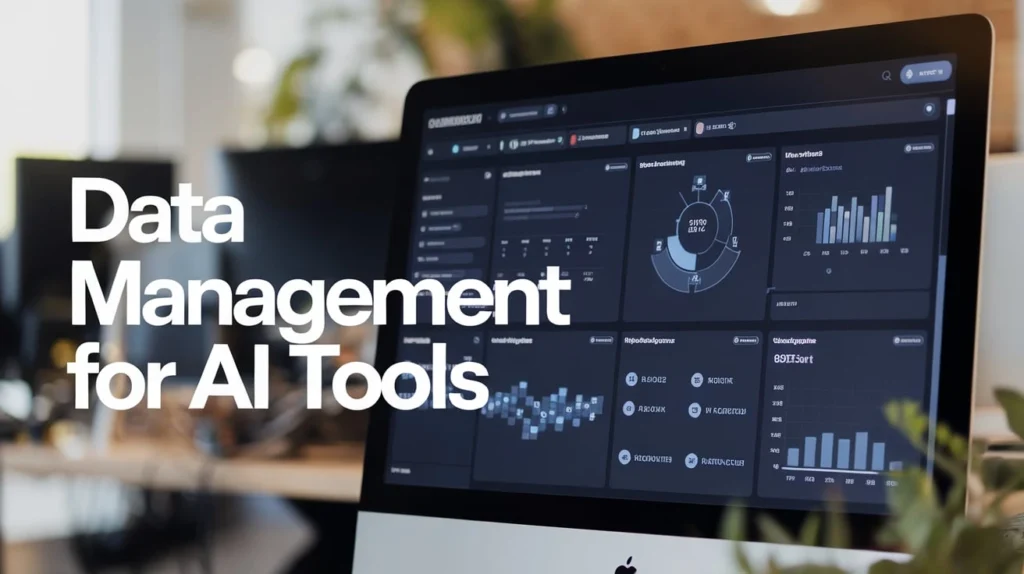
It quality defines output quality.
Data Cleaning
Remove duplicates. Fix format errors. Standardize naming rules.
Data Security
Encrypt sensitive records. Control user access. Log all data transfers.
Data Updates
Outdated data distorts output. Set update schedules.
Data Ownership
Review provider terms. Retain rights over uploaded data.
Prompt Engineering for Reliable Output
Prompt design governs system response.
Structure of a Strong Prompt
A solid prompt includes:
- Task goal
- Output format
- Tone guidance
- Length limits
- Source limits
Role Based Prompts
Assign a role to guide output.
Example:
Act as a financial analyst. Review monthly expenses. List top cost drivers.
Constraint Based Prompts
Constraints narrow output range.
Example:
Write a 200 word product overview. Use simple language. Avoid technical terms.
These methods raise output accuracy across tasks.
Measuring Performance and Value
Tracking results supports long term adoption.
Key Performance Metrics
Common metrics include:
- Output accuracy
- Time saved per task
- Cost per output unit
- User satisfaction
Baseline Comparison
Measure task time before and after AI use. This method shows real gain.
Error Rate Review
Track correction volume. Rising errors signal data or prompt faults.
Return on Investment Review
Compare tool cost with labor savings and revenue gains.
Governance, Ethics, and Compliance
Responsible use builds trust.
Usage Policies
Define approved use cases. Ban risky data uploads. Document review steps.
Consent Management
Obtain consent before data processing for client records.
Audit Trails
Store logs for output review. Logs support legal review if disputes arise.
Regulatory Alignment
Health and finance follow strict data laws. Local laws define limits.
Security Control for AI Systems
Security gaps expose data.
Access Control
Limit tool access by role. Remove access after role change.
Device Security
Secure devices through strong system passwords and updates.
Network Security
Use private networks for sensitive data entry. Avoid public WiFi for uploads.
Vendor Risk Review
Review vendor security reports. Many providers publish compliance certificates.
Training Teams for Effective Use
Staff skill shapes tool value.
Skill Assessment
Evaluate current digital skill levels across teams.
Targeted Training
Offer short training for each tool type. Tailor by role.
Practice Projects
Assign low risk practice tasks. Review output together.
Usage Standards
Create written usage rules. Share across teams.
Cost Planning for AI Tool Adoption
Budget control sustains adoption.
Direct Tool Fees
Plans vary by user count and usage volume.
Training Expense
Staff training adds short term cost. Long term gains often exceed early expense.
Integration Cost
System links require setup time and technical input.
Ongoing Support
Support fees apply for premium help plans.
Integration With Existing Systems
Seamless flow lifts productivity.
API Links
Many tools link through APIs. These links send data between systems.
CRM and ERP Links
Sales and operations gain speed through direct system links.
Document System Links
File systems sync output across teams.
How to AI Tools for Content Workflows
Content teams use automation across planning, drafting, and review.
Writers draft first versions through text tools. Editors then refine tone and structure. Data teams track performance metrics. This chain lifts output volume without quality loss.
This section marks a second natural use of how to ai tools across real workflows.
How to AI Tools for Small Business Growth
Small firms gain special gains from automation.
Owners manage finance, marketing, and support with lean staff. AI tools handle repeat tasks. Owners focus on core planning. Cash flow improves through time savings and data driven insight.
Learn more in our guide on automation for small business operations.
Common Errors During Early Adoption
Errors slow progress. Awareness cuts risk.
Overloading One Tool
Using one tool for many unrelated tasks degrades output.
Skipping Review Steps
Unchecked output spreads errors across projects.
Poor Data Input
Messy data reduces insight value.
Undefined Goals
Vague goals dilute performance measurement.
Case Scenario for Clear Context
A retail firm processed online orders through manual review. Staff handled stock updates, invoices, and customer emails by hand. Order delays rose during peak seasons.
The firm adopted three AI tools. One handled order routing. One drafted customer emails. One tracked demand forecasts.
After three months, order processing time dropped by more than half. Staff reallocated time to vendor relations. Customer complaints fell. This change followed direct task automation, not tool overload.
How to Scale AI Tool Use Over Time
Scaling follows staged growth.
Phase One. Pilot Stage
Deploy one tool within one team. Track output for thirty days.
Phase Two. Controlled Expansion
Extend within connected teams. Share usage rules.
Phase Three. Enterprise Integration
Link multiple tools across core systems. Centralize governance.
Skill Sets for Future AI Ready Teams
Future teams require blended skills.
Key skill areas include:
- Data literacy
- Prompt design
- Output review
- Ethical awareness
- System integration
Training programs now include AI literacy as a core module. Reports from global education boards reflect this shift.
Frequently Asked Questions
How to ai tools for beginners with no technical skill
Beginners start with text based tools due to simple interfaces. Clear prompts guide output. Short daily practice builds confidence.
How to ai tools for office automation
Office teams apply workflow tools for email routing, document sorting, and report generation. Rule based automation reduces manual entry.
How to ai tools for academic research
Researchers use AI for literature summaries, data tagging, and citation sorting. Human review protects data accuracy and study quality.
How to ai tools for marketing teams
Marketing teams use AI for ad copy, audience analysis, and campaign reports. Data driven insight guides budget allocation.
How to ai tools for personal productivity
Individuals use AI for scheduling, writing support, and learning aids. Time saved supports focus on planning and skill growth.
Final Takeaways on How to AI Tools
Daily work now relies on digital assistance across sectors. Clear goals, clean data, and steady review define successful adoption. Teams gain speed and cost control through structured use.
This guide explained selection, setup, governance, training, and scaling. The phrase how to ai tools now reflects more than search intent. The phrase reflects a practical method for modern work systems.
Direct action steps include:
- Define one task for early trials
- Select one matched tool
- Set data and output rules
- Review daily output
- Track time and cost gains
Consistent practice builds steady performance across roles and industries.