
How to choose the best ai tools for startups colorado shapes growth, cost control, and speed in early stage firms. Many founders feel pressure to adopt AI fast. Few teams follow a clear selection process. The result often leads to tool sprawl, rising bills, and slow results.
AI now drives sales, support, finance, and product design across young firms. Still, poor tool choices waste capital and delay traction. A smart selection process protects runway and lifts output.
This guide provides a practical framework built for Colorado startups. Each section focuses on real decisions founders face each quarter.
The Startup and AI Landscape in Colorado
Colorado holds one of the strongest startup ecosystems in the United States. Denver, Boulder, Fort Collins, and Colorado Springs host dense founder networks. Venture capital presence grows each year. University research flows into new firms.
Software, health tech, climate tech, and outdoor technology lead local innovation. Each sector uses AI in different ways. Climate startups use predictive models. Health firms rely on data analysis and automation. Outdoor brands apply AI to demand planning and pricing.
Access to talent remains a core advantage. The University of Colorado system and Colorado State University feed data science and engineering talent into the market. According to CB Insights and PitchBook reports, Colorado startup formation continues to rise across deep tech sectors.
This environment raises the bar for tool selection. Poor AI choices place firms at a competitive gap in tight local markets.
Why Startups in Colorado Turn to AI Tools
Founders pursue AI for speed, scale, and precision. Manual workflows slow revenue growth. Hiring full teams early strains cash flow. AI fills these gaps at a lower operating cost.
Key drivers include:
- Faster lead scoring and outreach
- Automated customer support
- Data driven pricing and forecasting
- Process automation in finance and operations
- Faster product testing and iteration
AI reduces human bottlenecks. Teams focus on strategy rather than routine work.
Market pressure also drives adoption. Competing startups already deploy AI across pipelines. Delay leads to slower execution and weaker brand presence.
Yet early adoption without structure leads to waste. Tool choice demands discipline.
How to Choose the Best AI Tools for Startups Colorado
How to choose the best ai tools for startups colorado begins with internal clarity. Every firm runs unique workflows. No universal tool stack serves all cases.
Structured evaluation replaces impulse buying. The steps below form a repeatable process for founders and operators.
Define Business Goals First
Every AI purchase must tie to revenue, cost control, or risk reduction. Vague goals lead to weak results. Teams should define one primary outcome per tool.
Examples of clear goals include:
- Raise lead conversion rate by 10 percent
- Reduce support response time by two hours
- Cut monthly accounting labor by one staff role
Each goal anchors tool evaluation. Feature lists matter less than outcome fit.
Assess Data Readiness
AI tools rely on structured data. Poor data quality limits output value. Teams must review data sources before purchase.
Key review steps include:
- Identify core data systems. CRM, ERP, marketing platforms.
- Audit data accuracy and completeness.
- Review update frequency.
- Assign ownership for data hygiene.
Clean data unlocks model accuracy. Weak data weakens every AI layer.
Map Team Skills and Capacity
AI tools demand setup, tuning, and review. Small teams face real skill limits. Founders should map internal capacity across:
- Technical setup and API work
- Workflow configuration
- Output review and quality control
- Security oversight
Overbuying advanced platforms strains small teams. Simpler tools often deliver stronger early returns.
Core Categories of AI Tools for Startups
AI platforms fall into practical business groups. Each group aligns with a specific workflow area. Founders should focus on direct revenue and cost drivers during early stages.
Marketing and Sales AI Tools
These platforms automate demand generation and pipeline management. Common functions include:
- Lead scoring and enrichment
- Email and chat automation
- Ad targeting and performance analysis
- Website personalization
Well known tools include HubSpot AI features, Apollo AI, and Jasper for content workflows.
Marketing AI drives top line growth. Early testing across one channel yields faster learning.
Operations and Finance AI Tools
Operations tools reduce back office overhead. Key use cases include:
- Invoice processing
- Expense classification
- Cash flow forecasting
- Fraud detection
Platforms such as Vic.ai and Ramp AI reduce manual accounting effort. According to Deloitte finance automation research, early automation improves audit accuracy and reporting speed.
Product and Engineering AI Tools
These tools support product design and development speed.
Common functions include:
- Code generation and review
- Model testing
- User behavior analysis
- Feature usage forecasting
GitHub Copilot, DataRobot, and similar platforms support lean engineering teams.
Customer Support AI Tools
Support automation protects brand trust while reducing headcount needs. Core functions include:
- AI chat agents
- Ticket routing
- Sentiment detection
- Help center automation
Tools integrate with Zendesk, Intercom, and Salesforce Service Cloud.
Summary Table of AI Tool Categories
CategoryPrimary GoalTypical Use CasesMarketing and SalesRevenue growthLead scoring, outreach, contentOperations and FinanceCost controlInvoicing, forecasting, auditsProduct and EngineeringBuild speedCode, testing, analyticsCustomer SupportService qualityChat, tickets, self service
This structure supports fast prioritization during tool selection.
Key Selection Criteria Beyond Features
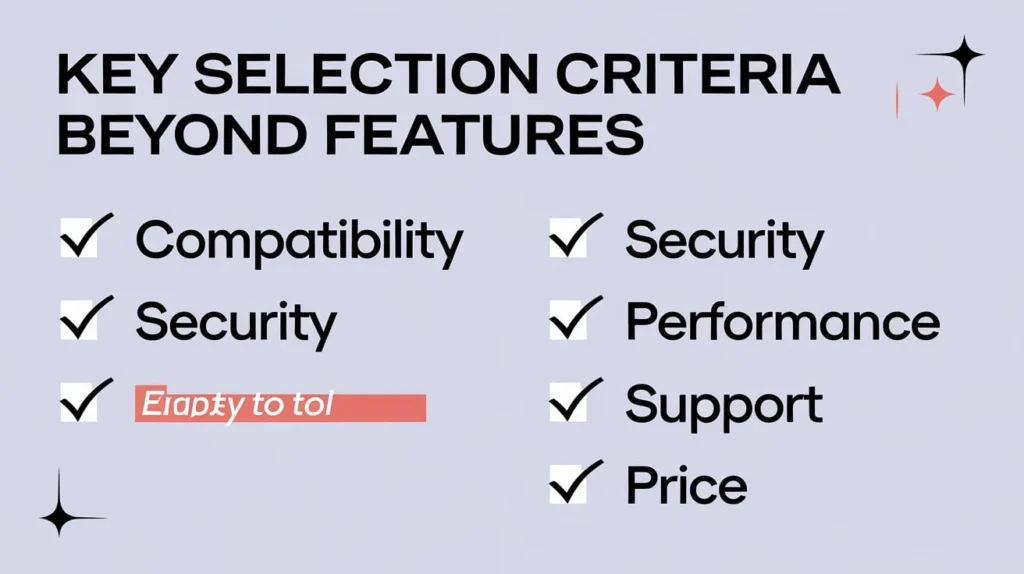
Feature lists dominate vendor marketing. Strong founders evaluate deeper risk and value factors.
Cost Structure and Long Term ROI
Pricing models vary across licenses, usage tiers, and data volumes. Founders often focus on entry cost. Long term cost shapes true ROI.
Teams should project:
- Monthly base fee at current staff size
- Usage based charges at scale
- Integration and setup cost
- Ongoing support cost
Simple tools with flat pricing often suit pre revenue and seed stage firms.
Security and Compliance Standards
AI platforms process sensitive business data. Security lapses create legal and brand risk. Colorado startups in health and finance face higher exposure.
Due diligence requires review of:
- SOC 2 or ISO certifications
- Data encryption at rest and in transit
- Access controls and role management
- Data residency policies
According to reports from Gartner, early security review reduces breach exposure during scale.
Integration With Existing Stack
Disconnected tools increase labor. Integration reduces duplication. Teams should favor tools with native links to:
- CRM platforms
- Accounting systems
- Data warehouses
- Communication tools
API quality also affects custom workflows. Poor APIs slow automation projects.
Vendor Stability and Support
Early stage AI vendors enter and exit markets fast. Vendor risk remains real. Founders should review:
- Funding stage and runway
- Customer base across industries
- Support response standards
- Product roadmap alignment
Stable vendors reduce forced migrations during growth.
Local Factors Unique to Colorado Startups
Regional context shapes tool selection. National advice often ignores local constraints.
Access to Accelerators and Research Hubs
Colorado hosts several accelerators and innovation centers. Examples include Techstars Boulder and the Colorado Innovation Network. These groups often partner with AI vendors. Startups gain discounted access to select platforms.
Peer feedback within these programs often proves more accurate than online reviews. Founders gain direct usage insight.
Industry Mix in the State
Climate tech and outdoor recreation dominate many markets. These sectors rely on demand forecasting, supply chain modeling, and pricing analytics.
Health tech startups face strict compliance needs. Privacy controls drive AI vendor choices. Data governance takes priority over feature depth.
Local market mix pushes tool needs away from generic SaaS patterns.
Real World Example From a Colorado Startup
A Boulder based food logistics startup faced rising delivery delays and inventory waste. The team ran manual forecasts using spreadsheets. Stockouts and spoilage cut gross margin.
The founders selected an AI demand forecasting platform after a three week pilot. The platform integrated with Shopify and warehouse systems. Data cleanup took two weeks.
Within sixty days, forecast accuracy improved. Inventory shrink fell. Order fulfillment speed rose. The firm avoided two seasonal stock failures.
The key lesson focused on narrow scope. One high impact workflow delivered fast ROI. Wide scale AI adoption followed later.
This example mirrors many local startup outcomes. Small pilots outperform wide rollouts.
Common Buying Mistakes To Avoid
Poor AI purchases harm cash flow and morale. Several patterns appear across early stage firms.
Major mistakes include:
- Buying tools without defined metrics
- Selecting platforms based only on demos
- Ignoring data quality limits
- Overloading small teams with complex systems
- Failing to test with real workflows
Each error compounds cost and delays learning. Discipline prevents tool churn.
Build a Scalable AI Stack Step by Step
A phased rollout protects budget and team focus. Each phase targets one business goal.
- Identify one revenue or cost bottleneck.
- Select one AI tool tied to that bottleneck.
- Run a thirty to sixty day pilot.
- Measure output change against baseline.
- Expand only after proven ROI.
This structure limits exposure while maximizing learning speed.
Early stage teams should delay multipurpose enterprise platforms. Modular stacks evolve with growth.
Learn more in our guide on data stack design for startups.
Measuring Value After Deployment
Post deployment metrics confirm value. Teams should track at least three performance indicators per tool.
Common metrics include:
- Labor hours saved per month
- Revenue lift per channel
- Error rate change
- Cycle time reduction
- Customer satisfaction score change
Dashboards support executive review. Monthly audits guide renewal decisions.
According to Harvard Business Review research on analytics adoption, firms that tie AI output to financial KPIs sustain higher adoption rates.
Future Trends for Startup AI Adoption in Colorado
Several trends shape near term adoption patterns across local markets.
AI shifts toward embedded features within core platforms. Marketing, finance, and support tools now ship with built in models. Standalone tools face pressure.
Regulation around data use continues to tighten. Health and finance startups must maintain strict audit readiness.
Custom models trained on private data rise in value. Open models lose edge in niche markets.
Workforce augmentation outpaces full automation. AI serves as co worker rather than staff replacement.
Founders who track these shifts retain flexibility during scale.
How to Choose the Best AI Tools for Startups Colorado for Long Term Growth
How to choose the best ai tools for startups colorado demands strategy, not impulse. Tool choice shapes speed, culture, and risk profile. Early discipline protects runway.
Define outcomes before demos. Audit data before purchase. Match tool depth to team skill. Test through pilots. Track ROI with financial metrics.
Colorado offers rare access to talent, accelerators, and sector depth. Founders who pair local insight with structured AI selection gain durable advantage.
Smart tools do not replace strong leadership. Smart selection supports strong leadership.
Frequently Asked Questions
How to choose the best ai tools for startups colorado with a small team
Small teams should focus on one workflow first. Marketing automation or support chat often deliver fast returns. Pilot testing limits risk and cost.
What budget range suits early AI adoption for Colorado startups
Seed stage firms often allocate five to ten percent of operating budget to software. AI tools should remain inside this ceiling until revenue stabilizes.
Do Colorado investors expect AI adoption during early funding rounds
Many regional investors value efficient operations and data driven growth. Clear AI use cases with metrics strengthen pitch credibility.
Which AI tools fit climate and outdoor startups in Colorado
Forecasting, supply chain modeling, and pricing analytics carry high value. These sectors rely on seasonal demand accuracy.
How often should startups review AI tool performance
Quarterly reviews suit early growth firms. Metrics tied to revenue, cost, and cycle time guide renewal and scale decisions.