Introduction
Imagine you’re scrolling through your phone late at night. A message pops up from a friend: “WSP?” No context, no explanation—just those three letters. You pause for a second, wondering if it’s a typo, a shortcut, or something you’re supposed to instantly understand. You reply anyway, but a small part of you still questions what exactly you just responded to. This tiny moment reflects a much bigger reality: digital communication has evolved into a world of abbreviations, shortcuts, and fast-paced expressions that often leave people guessing.
One of the most commonly used yet often misunderstood abbreviations is “WSP.” While it looks simple, its meaning carries a lot of conversational weight depending on context, tone, and relationship between people. In text messaging, WSP is widely used as a shorthand for “what’s up,” but its usage goes far beyond just a greeting. It can signal curiosity, emotional check-ins, casual conversation starters, or even subtle social cues.
Understanding WSP matters because modern communication is built on speed and interpretation. Knowing what someone means behind these small abbreviations helps you respond appropriately, avoid misunderstandings, and stay connected in digital conversations. Let’s break down everything you need to know about WSP in text messaging.
What Does WSP Mean in Text Messaging?
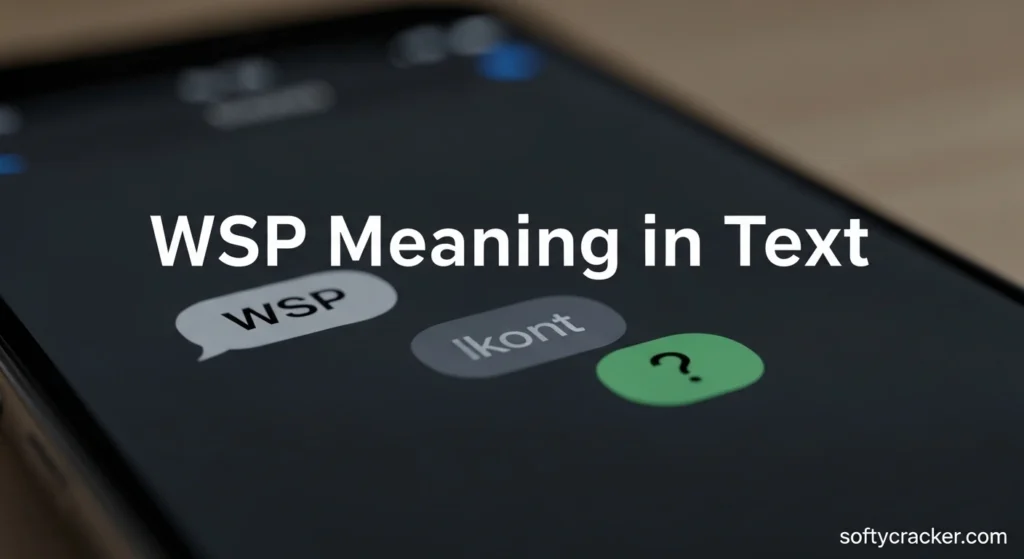
At its core, “WSP” is a shortened form of the phrase “what’s up.” It is used in informal digital communication such as texting, direct messages, and social media chats. The purpose of WSP is simple: to initiate conversation quickly without typing full sentences.
In most cases, when someone sends “WSP?”, they are asking how you are doing or what you are currently up to. It is a casual greeting rather than a serious question requiring detailed explanation.
Common meaning breakdown:
- WSP = What’s up
- WSP? = How are you / What are you doing?
- WSP (without question mark) = Casual greeting or attention grabber
What makes WSP interesting is its flexibility. Unlike formal greetings like “How are you?”, WSP feels more relaxed, friendly, and conversational. It is often used between friends, classmates, or people who already share a comfortable relationship.
However, the meaning can subtly shift depending on tone and context. Sometimes it is just a way to start a chat. Other times, it can imply curiosity about someone’s current situation or emotional state.
Origins and Evolution of WSP Slang
WSP emerged from the broader evolution of internet slang, particularly from SMS culture in the early 2000s. During that time, character limits and slow typing speeds encouraged people to shorten common phrases.
“What’s up” became “sup,” and eventually evolved into even more compact forms like “WSP” or “Wassup.” These abbreviations were designed for efficiency, especially on older mobile phones where typing was cumbersome.
As messaging apps like WhatsApp, Snapchat, and Instagram became dominant, slang evolved further. Even though typing limitations no longer exist, the culture of quick communication remained. WSP survived because it fits perfectly into modern digital behavior—fast, casual, and effortless.
Today, WSP is part of a larger ecosystem of internet shorthand. It reflects how language adapts to technology and how people prioritize speed over formality in everyday communication.
WSP in Casual Conversations
WSP is most commonly used in everyday casual chats. It acts as an opener, a conversation starter, or simply a way to check in on someone without sounding too formal.
For example:
- “WSP bro?”
- “WSP, how you been?”
- “WSP, you free?”
In these cases, WSP is not just about asking a literal question. It’s about maintaining social connection. It shows that the sender is thinking about the recipient and wants to engage in conversation.
Real-life usage scenarios:
Between friends
Friends often use WSP to casually check in without needing a specific reason.
During boredom
Someone might send WSP simply because they want to talk but don’t know how to start.
As a conversation reset
If a chat goes silent, WSP is often used to restart it.
This casual flexibility is what makes WSP so widely used across different social groups.
WSP in Social Media Context
On platforms like Instagram, Snapchat, and TikTok, WSP is even more dynamic. It is often used in DMs or comment sections as a quick engagement tool.
On Snapchat, for example, users frequently send “WSP?” to multiple friends at once, signaling availability for conversation. On Instagram, it might appear in DMs as a low-effort way to start chatting with someone.
Social media has amplified the usage of WSP because communication there is often spontaneous and fast-paced. Users prefer short, immediate expressions over full sentences.
In many cases, WSP on social media doesn’t require a deep response. A simple “nothing much” or “you?” is enough to keep the conversation going.
This makes WSP a powerful tool for maintaining online social presence without requiring emotional or linguistic effort.
Emotional Tone Behind WSP
Even though WSP is a short abbreviation, it can carry different emotional tones depending on context.
Most commonly, it expresses:
- Friendliness
- Curiosity
- Casual interest
- Social availability
However, tone matters significantly. The same “WSP” can feel warm, neutral, or even distant depending on who sends it and how often.
For example:
- A close friend saying “WSP?” feels warm and inviting.
- A distant acquaintance saying “WSP” might feel like forced conversation.
- A repeated “WSP?” could signal boredom or loneliness.
This emotional flexibility is what makes WSP more than just slang—it becomes a reflection of social behavior in digital spaces.
Different Interpretations of WSP Depending on Context
WSP is not a fixed expression. Its meaning shifts depending on usage, timing, and relationship between people.
H3: Friendly Check-in
In most cases, WSP simply means “how are you doing?” It is a casual way to show interest in someone’s life.
H3: Request for Update
Sometimes WSP is used when someone expects information or wants to know what the other person is doing.
Example:
- “WSP with the project?”
H3: Conversation Starter
WSP is often used when someone doesn’t know how to start a conversation but wants to engage.
In all these cases, WSP acts as a flexible communication tool rather than a fixed phrase. Understanding context is key to interpreting it correctly.
WSP vs WYD vs SUP
WSP is often compared with similar slang terms like WYD (“What you doing”) and SUP (“What’s up”).
- WSP = general greeting or check-in
- WYD = asking what someone is currently doing
- SUP = casual “what’s up,” often even more relaxed than WSP
While they seem similar, each has a slightly different tone. WSP is more neutral, WYD is more specific, and SUP is more laid-back.
Choosing between them depends on the level of familiarity and the intent behind the message.
How Gen Z and Internet Culture Shaped WSP
Gen Z communication style is heavily influenced by speed, minimalism, and digital efficiency. WSP fits perfectly into this culture.
Instead of long messages, younger users prefer:
- Short abbreviations
- Emojis
- Instant replies
WSP became popular because it aligns with this communication style. It removes unnecessary effort while still maintaining social connection.
Internet culture also encourages repetition and viral slang. Once a term like WSP spreads across platforms, it quickly becomes part of everyday vocabulary.
Misunderstandings and Confusion Around WSP
Not everyone interprets WSP correctly. Some people mistake it for:
- A typo
- A code or acronym with hidden meaning
- A regional slang they don’t understand
This confusion often happens across generations. Older users may not immediately recognize WSP as “what’s up,” leading to miscommunication.
Another misunderstanding occurs when tone is unclear. Without emojis or context, WSP can feel vague or even abrupt.
These misunderstandings highlight the importance of context in digital communication.
Professional vs Informal Usage
WSP is strictly informal and should not be used in professional settings.
In workplaces, emails, or formal chats, it is better to use:
- “Hello”
- “How are you?”
- “Hope you’re doing well”
Using WSP in professional communication may appear unprofessional or overly casual.
However, in informal workplace chats between close colleagues, it might still appear occasionally, especially in creative or tech industries.
How to Respond to WSP Naturally
Responding to WSP is usually simple, but the best reply depends on context.
H3: Simple replies
- “Not much, you?”
- “Hey, I’m good”
- “Just chilling”
H3: Engaging replies
- “WSP! Long time no talk”
- “Busy with work, what about you?”
The key is to match the tone of the sender. If WSP is casual, your response should also be relaxed and conversational.
Real-Life Chat Scenarios
To understand WSP better, imagine these situations:
A friend sends “WSP?” late at night. You reply “nothing much,” and suddenly a long conversation starts about random life updates.
Another scenario: someone you haven’t spoken to in months sends “WSP.” It feels like a reconnection attempt rather than a simple greeting.
In group chats, WSP often acts like a spark that revives silence. One message can shift the entire energy of the conversation.
These real-life examples show how powerful such a small abbreviation can be in shaping communication flow.
Practical Lessons from Slang Like WSP
Slang like WSP teaches us something important about modern communication: simplicity often carries meaning.
Instead of long sentences, people rely on shared understanding and context. This makes communication faster but also more dependent on interpretation.
Key lessons include:
- Context matters more than words
- Tone influences meaning
- Digital language is constantly evolving
- Simplicity enhances speed but requires awareness
Understanding slang helps you stay connected in a fast-moving digital world.
Conclusion
WSP may look like a small, simple abbreviation, but it represents a much larger shift in how people communicate today. It stands for “what’s up,” yet its meaning expands far beyond a basic greeting. It reflects curiosity, connection, emotional tone, and social interaction in digital spaces.
From casual chats between friends to quick social media messages, WSP plays a role in keeping conversations alive with minimal effort. However, its meaning always depends on context, relationship, and tone.
In a world where communication is becoming faster and more fragmented, understanding expressions like WSP helps us stay connected and avoid misunderstandings. Ultimately, it reminds us that even the smallest words can carry meaningful human connection when used thoughtfully.
FAQs
What does WSP mean in text?
WSP is a slang abbreviation for “what’s up,” commonly used as a casual greeting or conversation starter in text messages and social media.
Is WSP formal or informal?
WSP is strictly informal and should only be used in casual conversations with friends, peers, or people you are comfortable with.
How do I reply to WSP?
You can reply with simple responses like “not much,” “hey,” or “what about you?” depending on the context of the conversation.
Is WSP the same as WYD?
No, WSP means “what’s up” in a general sense, while WYD specifically asks “what you doing.”
Why do people use WSP instead of full sentences?
People use WSP for speed and convenience, especially in digital conversations where quick replies are preferred.
Can WSP be used in professional chats?
No, it is not suitable for professional communication and should be avoided in formal contexts.
Does WSP always mean the same thing?
Mostly yes, but its tone and meaning can change depending on context, relationship, and conversation flow.